Drain field
Drain field repair in Kalispell
Soggy yards, sewage odors, and water that will not leave the tank usually start in the leach field. We evaluate, repair when we can, and plan a permitted replacement when the soil is done.
Flathead drain-field failures
Clay lenses, spring melt, and fields installed decades ago without modern groundwater data are common failure drivers around Kalispell, Evergreen, and the lake towns. A proper evaluation separates a clogged lateral from a field that needs a new permitted footprint.
Lake-adjacent parcels near Bigfork, Lakeside, and Somers face tighter water-quality scrutiny. Repairs and replacements there must respect setbacks from surface water as well as wells.
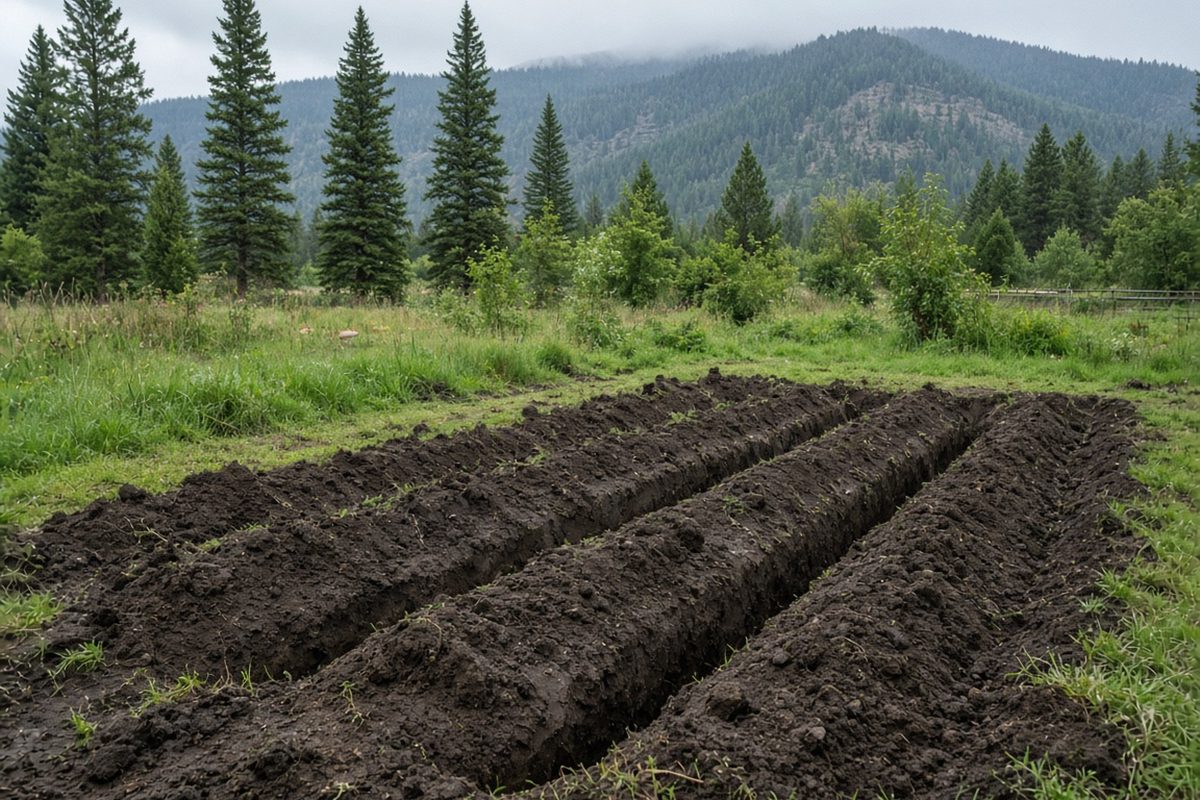
What we look for on site
- Standing water or lush wet strips over trenches
- Odors after rain or snowmelt
- Distribution box level and lateral integrity
- Evidence the tank is actually empty and baffles are intact
Call (406) 607-8740. Describe the yard symptoms and whether backups reach fixtures inside the house.
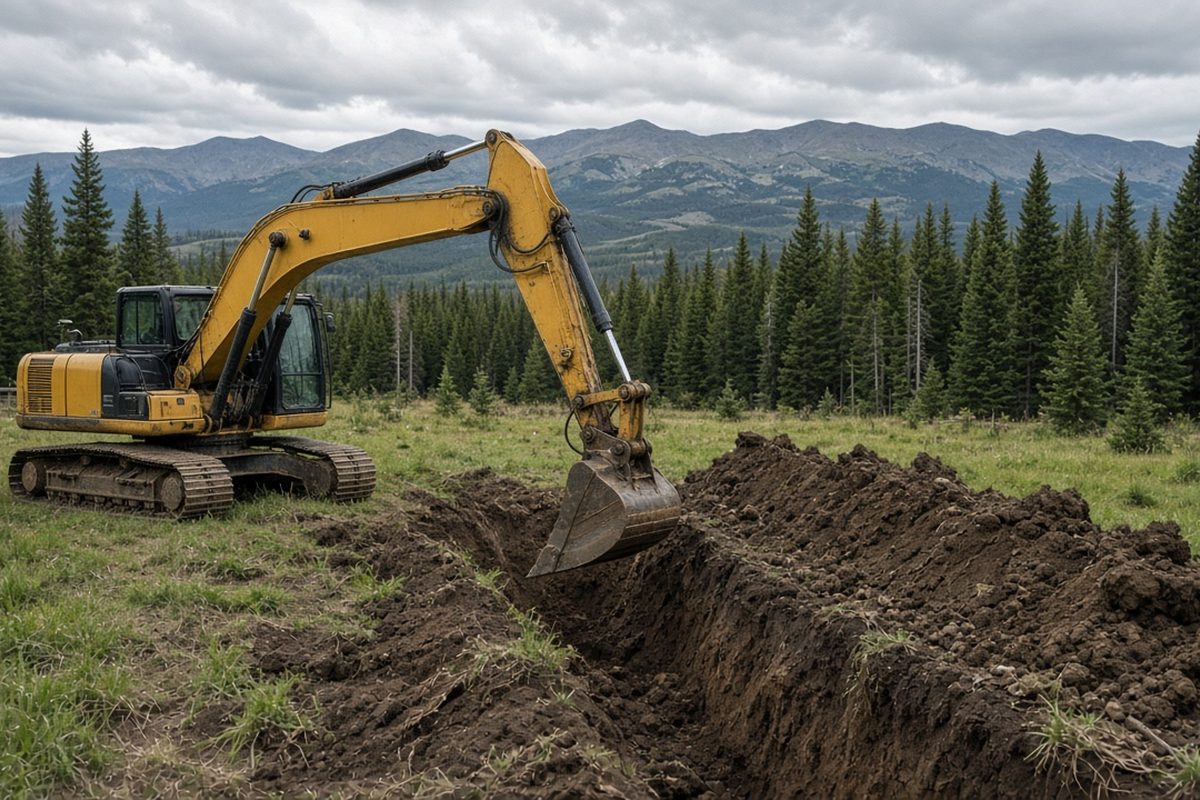
Drain field questions
How do I know the problem is the drain field and not the tank?
A full tank with a high sludge layer can mimic field failure. After pumping and a tank inspection, water that still will not leave, soggy trenches, or sewage odors over the field usually point to the leach field.
Can a drain field be repaired without a full replacement?
Sometimes distribution boxes, crushed laterals, or a resting/replacement area can restore function. When biomat has sealed the soil across the whole field, Flathead often requires a permitted new field.
Does high groundwater in Flathead kill drain fields?
Seasonal high water can saturate trenches and push effluent to the surface. That is why groundwater monitoring is common before new fields are approved. A field installed too low for today’s measured high water may need a raised or alternative design.